Blog Post
-
The Truth About Ceramic Coatings: What They Actually Protect and What You Should Expect
At GHOSTPHORM, we believe customers deserve the truth about ceramic coating before they invest in it.
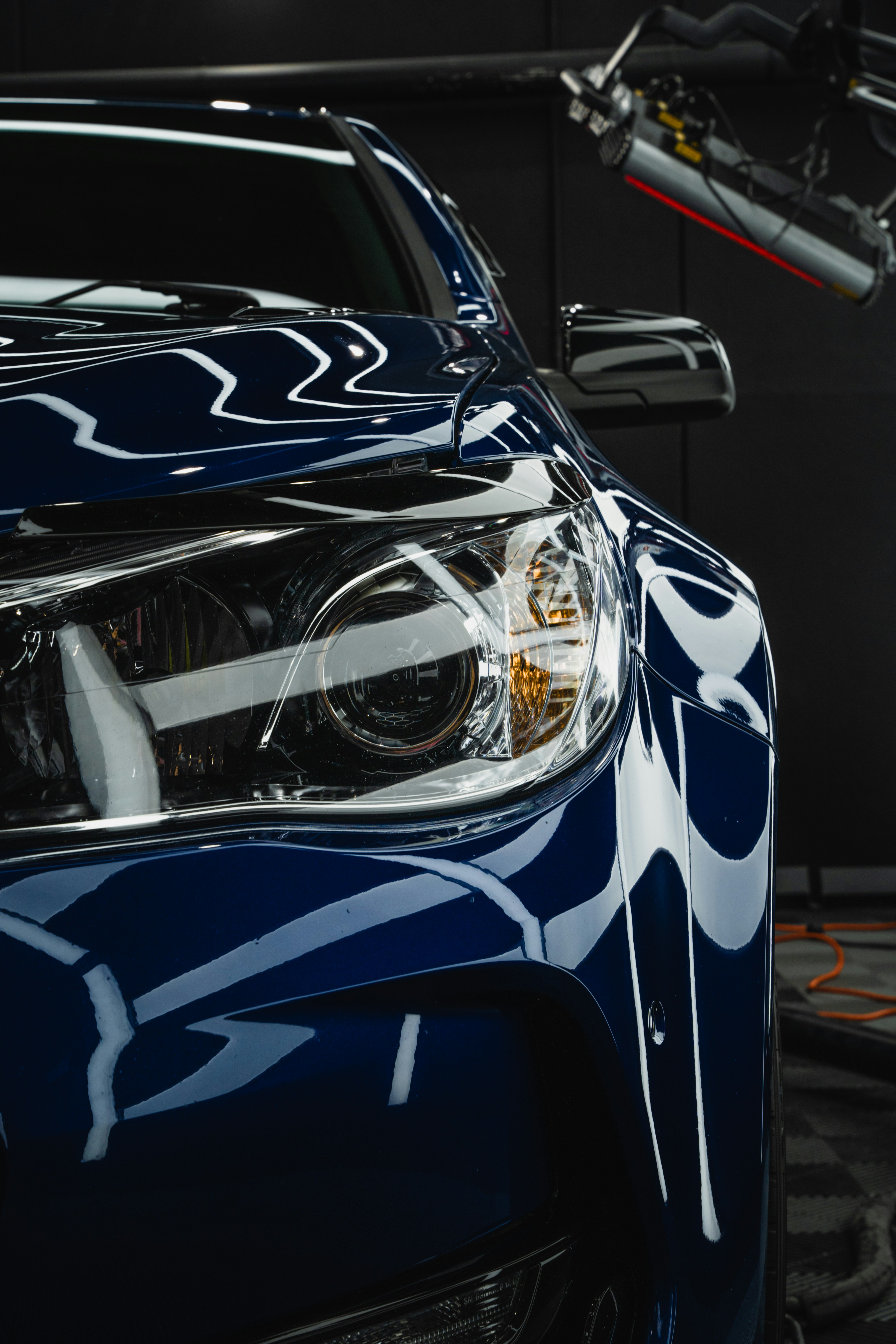
Ceramic coating has become one of the most popular forms of automotive paint protection, but it is also one of the most misunderstood.
Some companies make ceramic coating sound like an invisible force field that makes a vehicle scratch-proof, maintenance-free, and permanently protected from everything the road can throw at it.
That is not reality.
A professional ceramic coating is something far more useful.
It is a durable protective layer engineered to change the way your vehicle's surfaces interact with water, dirt, chemicals, environmental contamination, and everyday use. When properly installed and properly cared for, a ceramic coating can preserve appearance, make cleaning significantly easier, enhance gloss, and provide long-term protection across multiple exterior surfaces.
The key is understanding what ceramic coating actually does.
At GHOSTPHORM, we believe customers deserve the truth about ceramic coating before they invest in it.
What Is a Ceramic Coating?
A ceramic coating is a liquid protective formulation that cures into a durable film over a properly prepared surface.
Modern automotive ceramic coatings are commonly based around silica or related ceramic chemistry. Once cured, the coating creates a highly resistant surface that changes the way contaminants and water interact with the vehicle.
Unlike traditional waxes and many short-term sealants, a professional ceramic coating is designed to form a much more durable bond with the surface.
The result is not a thick layer of armor.
It is an extremely thin protective film that can dramatically change the surface characteristics of the vehicle.
That distinction is important.
A ceramic coating is not designed to make your vehicle invincible.
It is designed to make your vehicle better protected and easier to maintain.
What Does Ceramic Coating Actually Protect Against?
A properly installed coating can provide protection against many of the environmental contaminants that attack automotive surfaces every day.
These include:
UV exposure
Bird droppings
Insect residue
Tree sap
Road grime
Environmental fallout
Hard water contamination
Certain chemical contaminants
Detergent exposure
Road film
Brake dust on coated wheels
General dirt and contamination
The coating creates a sacrificial and chemically resistant surface between those contaminants and the underlying material.
That matters because contamination is not simply an aesthetic problem.
When certain contaminants remain on a surface for extended periods, they can chemically interact with or etch into the finish beneath them.
A coating gives you another layer of protection and, just as importantly, makes many contaminants easier to remove before they become a problem.
Paint Protection
Paint is where most people think about ceramic coating first, and for good reason.
Your vehicle's paint is constantly exposed to sunlight, rain, road debris, chemicals, dirt, insects, bird droppings, tree sap, and repeated washing.
A ceramic coating can provide several important benefits to properly prepared paint.
Increased Hydrophobicity
One of the most recognizable characteristics of a ceramic coating is water behavior.
Instead of spreading across the surface, water tends to bead and sheet more readily.
This hydrophobic behavior can help water and loose contamination leave the surface more easily.
It also creates the visual effect most people associate with ceramic coating: tight water beads and rapid water evacuation.
Easier Cleaning
This is one of the most important real-world benefits.
A coated surface is typically easier to wash because contaminants have a harder time firmly bonding to the surface.
That does not mean dirt cannot stick to a ceramic-coated vehicle.
It absolutely can.
The difference is that properly maintained coating generally makes the contamination easier to remove.
Less aggressive cleaning is better for your paint because excessive scrubbing is one of the ways vehicles accumulate washing-related defects over time.
Chemical Resistance
Bird droppings, insects, tree sap, road chemicals, mineral deposits, and other environmental contaminants can become increasingly difficult to remove when they remain on automotive paint.
Ceramic coatings provide a chemically resistant barrier that helps reduce the likelihood of staining and etching from many common contaminants.
The coating does not make the surface immune to chemicals.
It gives the surface a much stronger line of defense.
UV Protection
Constant ultraviolet exposure contributes to oxidation, fading, and degradation of automotive finishes over time.
A ceramic coating adds another protective layer between the environment and the underlying finish.
This can help preserve the appearance of properly maintained paint for longer.
Increased Gloss and Clarity
Ceramic coating is not just about protection.
A properly prepared and coated vehicle can appear deeper, clearer, and glossier.
But this comes with an important truth that many advertisements leave out:
The coating does not create perfect paint.
It preserves what you give it.
If the paint has oxidation, scratches, water spots, swirl marks, or other defects, those imperfections should be addressed before the coating is installed.
This is why paint correction and surface preparation are such important parts of professional ceramic coating.
Reduced Washing-Related Marring
A ceramic coating does not make paint scratch-proof.
It cannot stop rock chips, parking lot damage, deep scratches, or physical impacts.
What it can do is create a slicker, more resistant surface that makes routine contamination removal easier and can reduce the need for aggressive cleaning.
The safest coating is still one paired with proper washing technique.
Wheels
Your wheels live in one of the harshest environments on the entire vehicle.
They experience extreme heat, road grime, brake dust, water, salt, tar, and constant contamination.
And unlike your paint, wheels can become dirty almost immediately after a wash.
Ceramic coating can make a significant difference.
Brake Dust Resistance
Brake dust contains a mixture of material generated during braking, including metallic particles and other contaminants.
When it accumulates and remains on wheel surfaces, it can become increasingly difficult to remove and can contribute to staining or surface damage.
A ceramic-coated wheel has a slick, chemically resistant surface that makes brake dust and road grime easier to remove.
Easier Wheel Cleaning
This is one of the biggest reasons to coat wheels.
Instead of relying on aggressive scrubbing to remove baked-on contamination, routine cleaning can become substantially easier.
The goal is not to make your wheels impossible to dirty.
The goal is to make them much easier to clean when they do get dirty.
Heat and Environmental Protection
A properly selected wheel coating is designed to withstand the temperature and environmental conditions associated with automotive wheels.
The exact performance depends on the coating formulation, wheel material, and application.
But the fundamental benefit remains the same:
Create a protective surface that makes contamination easier to manage.
Brake Calipers
Brake calipers are often overlooked when discussing ceramic coating.
They should not be.
Calipers are exposed to brake dust, road grime, water, heat, and contamination every time you drive.
A coating applied to compatible caliper surfaces can help reduce contamination buildup and make cleaning considerably easier.
For performance vehicles, exotic vehicles, and vehicles with highly visible calipers, this can make a significant difference in maintaining the appearance of the entire wheel assembly.
Instead of having beautifully coated wheels surrounding dirty calipers, the entire system can be protected as part of a complete exterior protection strategy.
Glass
Ceramic coating technology can also be applied to compatible automotive glass using products designed specifically for that surface.
Glass coating creates a highly hydrophobic surface that changes the way rain and water interact with the windshield.
Improved Water Evacuation
Rather than spreading across the glass, water can bead and move across the surface more readily.
At driving speeds, this can help water evacuate from the windshield more efficiently.
Improved Visibility in Rain
A cleaner windshield is a safer windshield.
Hydrophobic glass can help reduce the amount of water and contamination remaining on the surface during wet-weather driving.
The result can be a clearer visual field in rain and easier removal of road grime.
Easier Glass Cleaning
Bug residue, road film, mineral deposits, and other contaminants can become easier to remove when the glass has been properly coated.
The coating does not replace windshield cleaning.
It makes cleaning easier.
Exterior Plastic Trim
Modern vehicles contain an enormous amount of exterior plastic.
Grilles.
Mirror housings.
Cowl panels.
Window trim.
Bumpers.
Fender trim.
Roof rails.
And countless other components.
Unprotected plastic can fade, discolor, and lose its original appearance through exposure to UV radiation and environmental contamination.
A compatible ceramic coating can help protect exterior trim while making the surface easier to clean.
UV Resistance
Coating technology can provide additional protection against the environmental exposure that contributes to fading and oxidation.
Preserve the Original Appearance
Rather than relying on temporary oily dressings that simply make faded plastic appear darker, a properly selected coating can provide longer-term surface protection while maintaining a more natural OEM appearance.
Easier Cleaning
Dirt and road film are easier to remove from a slick, protected surface.
That means less scrubbing and less effort during routine maintenance.
The Biggest Myth: Ceramic Coatings Are Maintenance-Free
This is where we believe the industry needs to be more honest.
Ceramic coatings are not maintenance-free.
But they also do not require some complicated maintenance routine that is completely different from normal car care.
In fact, the opposite is true.
A ceramic-coated vehicle should receive the same basic care that any properly maintained vehicle should receive.
The difference is that the coating makes that care easier and more effective.
You should still wash your vehicle.
You should still remove contamination.
You should still dry it properly.
You should still address bird droppings and tree sap instead of leaving them on the vehicle indefinitely.
You should still use appropriate wash products and tools.
You should still avoid automatic brushes and aggressive washing techniques.
You should still periodically inspect the surface.
That is not “extra maintenance.”
That is simply proper car care.
The Problem Is That Most Cars Are Not Properly Maintained
Think about how the average vehicle is treated.
It gets washed occasionally.
It may sit outside for weeks.
Bird droppings remain on the paint.
Tree sap is ignored.
Brake dust accumulates on the wheels.
Hard water dries on the surface.
Automatic car washes drag dirty brushes across the paint.
The vehicle may go months without a proper decontamination wash.
Then the owner expects the coating to somehow compensate for all of it.
It cannot.
A ceramic coating is a protection system, not a substitute for responsible ownership.
The coating does its job by giving you a better surface to maintain.
And when you maintain that surface correctly, you get significantly more out of your investment.
Ceramic Coating Does Not Mean You Never Have to Wash Your Car
This misconception deserves to disappear.
A coated vehicle still gets dirty.
The difference is what happens when you wash it.
Because contamination generally has less opportunity to strongly bond to the protected surface, routine washing can be easier and less aggressive.
That means you can spend less time fighting contamination and more time simply maintaining the vehicle.
The goal is not to eliminate washing.
The goal is to make washing easier.
What Ceramic Coating Does Not Protect Against
Being honest about limitations is just as important as explaining the benefits.
Ceramic coating does not make your vehicle:
Scratch-proof
Rock-chip-proof
Dent-proof
Impact-proof
Completely immune to water spots
Immune to chemical damage
Permanently clean
Maintenance-free
If your primary concern is rock chips and physical impact, paint protection film is the appropriate technology.
Ceramic coating and paint protection film solve different problems.
Ceramic coating is primarily about surface protection, chemical resistance, hydrophobic behavior, gloss, and easier maintenance.
Paint protection film is designed for physical impact protection.
For some vehicles, the best solution is to combine the two.
Why Ceramic Coating Is Worth It
The biggest benefit of ceramic coating is not one individual feature.
It is the combination.
Your paint becomes easier to maintain.
Your wheels become easier to clean.
Your glass becomes more hydrophobic.
Your exterior trim receives additional protection.
Your vehicle maintains its appearance more easily.
Contamination is easier to remove.
Your paint receives additional chemical and environmental protection.
And the entire vehicle becomes easier to keep looking the way it did when it left the detail studio.
That is the real value.
Not magic.
Not an invisible force field.
Not a promise that your vehicle will never get dirty.
A better surface, better protection, and a better ownership experience.
The GHOSTPHORM Standard
At GHOSTPHORM, ceramic coating is not treated as a quick application.
It is treated as a complete protection system.
That begins with proper preparation.
It continues with precise installation.
And it does not end when the vehicle leaves our facility.
Every GHOSTPHORM coating package includes complimentary six-month maintenance.
Why?
Because we believe the standard should continue after installation.
The six-month maintenance service gives us the opportunity to inspect the vehicle, safely clean the coated surfaces, remove accumulated contamination, evaluate the coating's performance, and help keep the vehicle operating at the level it was designed to.
The coating provides the protection.
Proper maintenance preserves the performance.
That is how ceramic coating is supposed to work.
The Truth About Ceramic Coating
Ceramic coating is not magic.
It is not permanent armor.
It does not replace proper car care.
And it does not make a vehicle impossible to damage.
It does something much more practical.
It creates a durable protective surface that can resist environmental contamination, improve water behavior, enhance gloss, make cleaning easier, and help preserve the appearance of your vehicle across multiple exterior surfaces.
And when paired with proper preparation and normal, responsible vehicle maintenance, it can transform the way you care for your vehicle.
You do not need to maintain a ceramic-coated vehicle more.
You simply need to maintain it properly.
That is the difference.
GHOSTPHORM
Ceramic Coating. Perfected.
The Standard in Ceramic Coating.