Blog Post
-
One Layer or Three? How Coating Layers Work
Learn how ceramic coating layers bond, whether one, two, or three coats are best, and why more layers don’t always mean thicker or better protection.
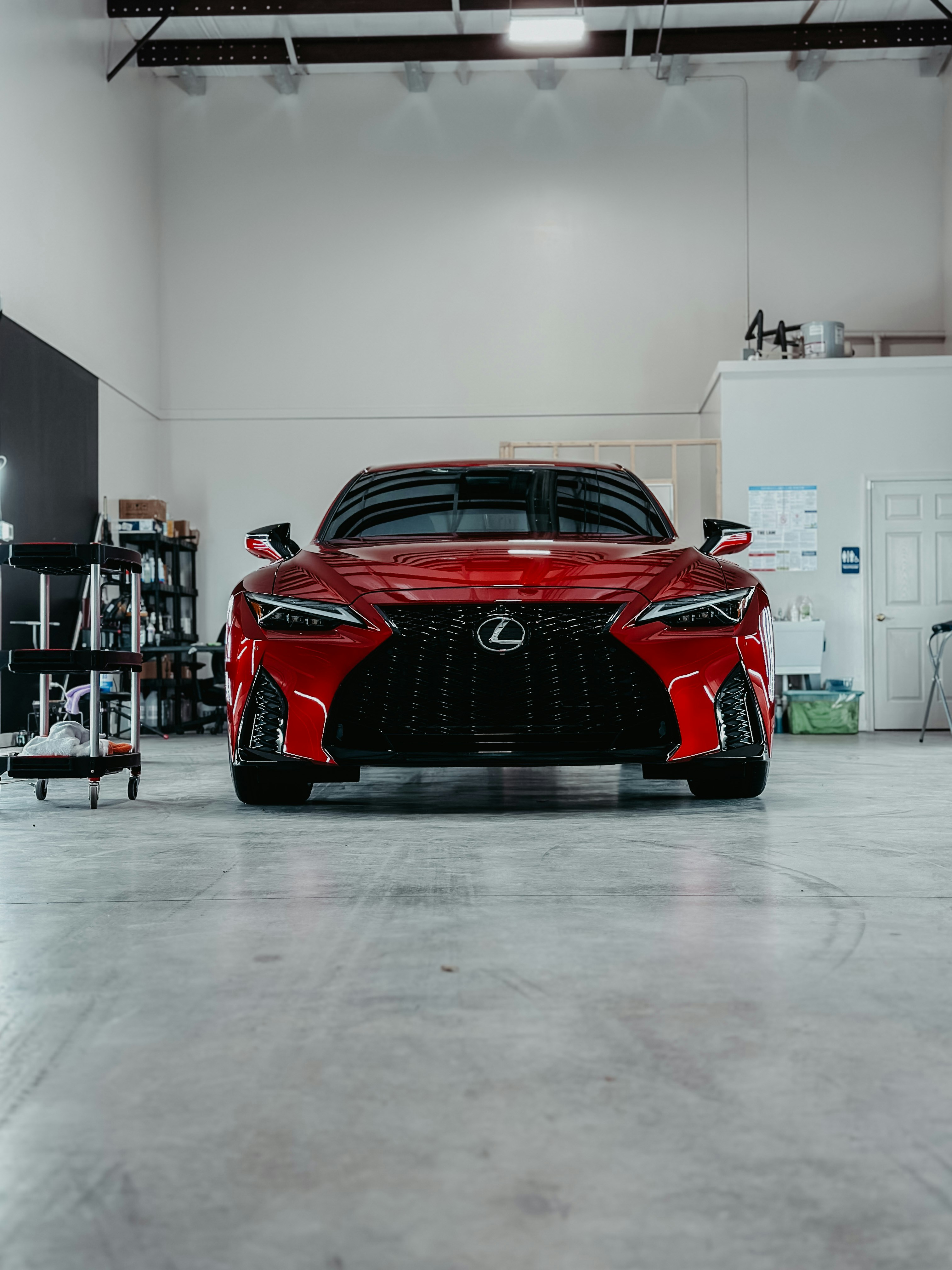
How many layers of ceramic coating do you really need? The answer depends on what “layer” means, how the coating cures, and what you expect it to do.
Ceramic coating packages often advertise two or three layers, while others promise protection with a single application. It’s natural to assume that more layers mean thicker protection and a longer-lasting finish. But ceramic coatings don’t work quite like coats of paint: extra applications don’t necessarily stack into a much thicker, stronger shield.
To choose the right option, it helps to understand how ceramic coating bonds to your vehicle, what additional layers can do, and why thickness alone doesn’t tell the whole story.
How a ceramic coating bonds to paint
A ceramic coating is a liquid product applied to prepared paint. As it cures, it forms a thin, durable film that bonds to the surface. The quality of that bond depends on factors such as surface preparation, application technique, temperature, humidity, and the product’s curing instructions.
Preparation matters because the coating is bonding to the paint and any residue left on it. Detailers typically wash and decontaminate the vehicle, then may polish the paint to remove defects and use a panel wipe to clear polishing oils. Applying more coating over an unprepared surface won’t make that underlying bond better.
The first application is usually the main protective layer. It’s the one that bonds directly to the vehicle’s paint.
What happens when you add another layer?
A second application is generally placed over the first after it has reached the stage specified by the manufacturer. Depending on the product, that may mean waiting a set amount of time or applying the next coat within a defined window.
The new application may bond to or integrate with the first, but it doesn’t necessarily create a separate, sharply defined sheet. The result depends on the product chemistry and process. Some systems are designed for multiple coats; others are intended to be applied once. Following the product’s instructions is essential.
A third coat follows the same principle. It may add value in a system designed for it, but it won’t automatically triple the coating’s protection, thickness, or lifespan.
Why more layers aren’t automatically better
Extra applications can take more time and product, but the benefits have limits. If a coating is applied too soon, too late, or outside its specified conditions, the additional coat may not bond as intended. Applying more product than the system calls for can also make the finish harder to level, potentially leaving high spots, streaks, or a cloudy appearance.
The coating also can’t correct problems underneath it. It won’t hide scratches, improve poorly polished paint, or compensate for inadequate cleaning. In many cases, careful preparation and a correct application matter more than adding another coat.
That’s why it’s useful to ask what the second or third layer is intended to accomplish. Is it part of the manufacturer’s specified system? Does it add a distinct function, or is it mainly a package feature? A reputable detailer should be able to explain the product, curing schedule, and expected benefit in concrete terms.
How thick is ceramic coating?
Ceramic coatings are very thin compared with paint protection film or a clear bra. They’re not meant to build a substantial, impact-resistant barrier. Their job is to add a durable surface layer that can make cleaning easier and help protect against certain forms of environmental exposure.
A coating’s thickness depends on the specific product, how it’s applied, and how it cures. Adding coats may increase the amount of coating on the surface, but the final film is still thin. Layer count alone doesn’t tell you the actual thickness, and manufacturers may describe their products differently. If thickness is important to you, ask for the product’s technical information rather than relying on a package’s coat count.
So, how many layers of ceramic coating do you need?
For many vehicles, one properly applied coat is enough to get the benefits the coating is designed to provide. A second coat can make sense when the manufacturer specifies a multi-coat system or when the detailer can explain what the additional application contributes. Three coats aren’t automatically better simply because the number is higher.
When comparing packages, look beyond the layer count. Ask which coating is used, how the paint will be prepared, how many applications the product requires, how long it needs to cure, and what maintenance is recommended. Those details will give you a more useful picture of the protection you’re buying.
The short answer: ceramic coating layers can bond as part of a system, but they don’t behave like thick, independent sheets. More coats may help when the product is designed for them; otherwise, proper preparation and application matter more than the number of layers.